
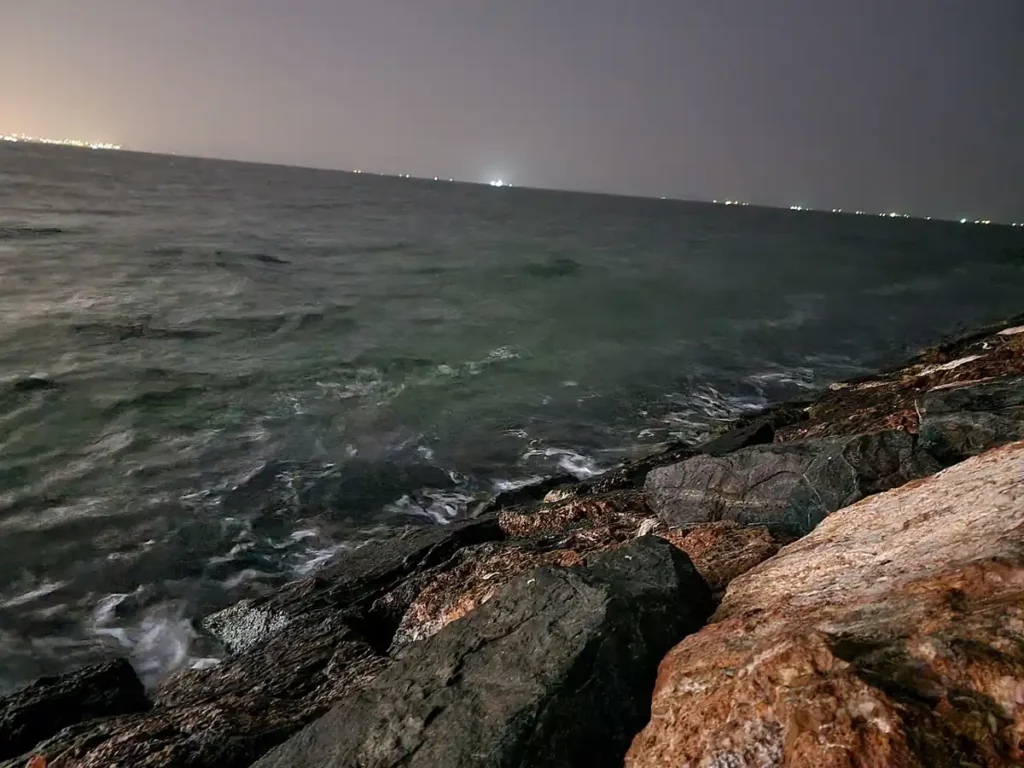
Ajman is the smallest of the seven emirates, and its beaches feel it in the best way: a short drive north of Dubai along the Gulf coast, long and uncrowded sand, a walkable Corniche, and one of the finest protected mangrove areas in the country. This guide covers the two beach stories that matter here — the city Corniche beach and Al Zorah, where the beach meets the mangroves. One reassurance first: Ajman’s beaches were not named in the late-October 2026 temporary closure lists, which covered Sharjah, Umm Al Quwain and Ras Al Khaimah.
| Beach | Entry | Best for |
|---|---|---|
| Ajman Corniche Beach | Free | City beach days, promenade walks, sunset families |
| Al Zorah Beach (public) | Free | Mangrove kayaking, flamingos, quiet picnics |
| Al Zorah resort beaches | Resort/club terms | Luxury private beach, loungers, beach service |
| Al Zorah Mangrove Reserve | Free entry; tours cost extra | Kayaking, birdwatching, golf, eco-boat rides |
Ajman Corniche Beach: Free Promenade & Calm Shallow Water
Ajman Corniche Beach is the emirate’s everyday beach: a broad public beach beside a palm-lined promenade, with calm, shallow water that suits families and first-time swimmers. Entry to the beach and promenade is free, the promenade itself is open twenty-four hours, and the beach activities belong to the daytime — come at sunset, when families gather and the cafes along the waterfront fill up.
Facilities and Family Days at the Corniche
The Corniche is safe, clean and packed with activities for children and adults, with waterfront cafes and restaurants along the promenade for the post-swim meal. It is a walkable beach day rather than a resort day: stroll the promenade, swim in the shallow water, and let the children play on the sand. Pet rules vary by spot along the Corniche, so check the signs or ask local authorities before bringing a pet onto a particular stretch.
Getting to Ajman Corniche
Ajman sits a short drive north of Dubai along the Gulf coast, and the Corniche is the emirate’s centrepiece — easy to find, easy to park near, and easy to pair with the old town. Ajman Museum, set inside an eighteenth-century fort that served as the ruler’s residence until 1970, tells the story of pearling, dhow building and daily life, and sits nearby for a museum afternoon after the beach.
Al Zorah Beach Ajman: Free Beach Beside the Mangroves
Al Zorah Beach is Ajman’s other beach entirely: a free public beach beside a protected mangrove reserve, where the draw is not restaurants or crowds but nature — flamingos, herons and kingfishers over calm water, kayak lanes through mangrove channels, and a quiet that Dubai’s beaches cannot offer. The public beach is free to access, while nearby resorts offer private beach experiences on their own terms.
Timings, Stated Honestly
Al Zorah’s hours are where guides disagree, so here is the honest version: the beach is typically described as open from sunrise to sunset, while individual guides report 6 AM to 7 PM or 7 AM to 9 PM. The reserve’s office and organised activity hours are a separate matter — weekday daytime hours are reported for those — so check the signs on the day for both the beach and any activity you have booked. Swimming belongs to daylight hours, in calm water, under the usual lifeguard and safety guidance.
Public Beach Facilities: Come Prepared
The public beach itself has limited built-in facilities — no on-site rentals or food options on the sand itself — so bring what you need: refillable water, snacks, a beach umbrella or shade tent, reef-friendly sunscreen, and binoculars for bird spotting. Cafes, restrooms and resort facilities sit nearby at the resorts and clubs, and an entry-fee beach club offers loungers, parasols, toilets, showers and a beachfront cafe for those who want facilities with their sand.
Al Zorah Mangroves: Kayaking, Flamingos & Birdwatching
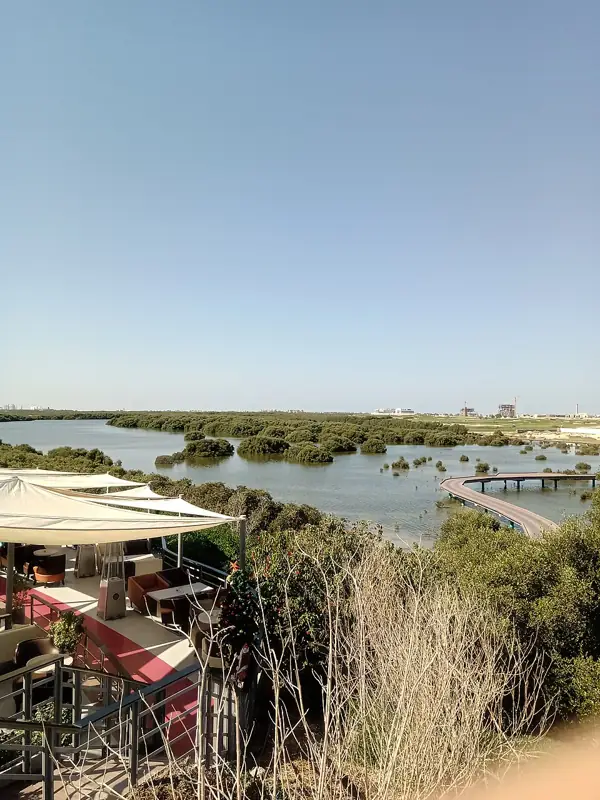
The Al Zorah Mangrove Reserve is the reason to come: more than one hundred hectares of conserved wetlands, recognised as a Ramsar Convention Wetland of International Importance, home to sixty to more than one hundred bird species including pink flamingos, herons, kingfishers and osprey. No motor boats are permitted inside, which keeps the ecosystem pristine — and keeps the kayaking quiet.
Kayaking Through the Mangroves
Kayaking is the classic way to see the reserve, and the calm water suits beginners. Most trips begin at Al Zorah Marina 1, a clean, organised marina with launch areas, equipment rental and parking, and the best paddling hours are early morning or just before sunset. Guided eco-kayak tours add the biodiversity story — which birds, which channels, which seasons — and paddleboarding, fishing trips and eco-boat rides are also offered. Wear light, quick-dry clothes and water-safe footwear, and bring a hat, sunscreen and sunglasses.
Flamingos, Golf and the Reserve’s Other Side
For flamingos, catch sunrise or sunset, when the birds are most visible over the lagoons and tidal creeks. The reserve also holds an eighteen-hole Nicklaus Design golf course set among sand dunes and tidal mangroves, and the wider Al Zorah district adds luxury accommodation — including the Oberoi beach resort with its private beach — and Marina 1’s restaurants and leisure options. The mangroves, the golf and the beach are three faces of the same district, and a full day can hold all three.
Camping and BBQs at Al Zorah: What Is Actually Allowed
Camping and barbecues at Al Zorah need care with the rules, because guides appear to disagree — and both are right about different ground. Camping is allowed in designated zones with prior permission, and barbecue setups can be booked or brought along in permitted areas, with designated picnic areas nearby. Camping is not permitted inside the protected reserve areas themselves. Check the current designated zones and permission requirements before planning an overnight stay, and do not assume the beach and the reserve share one rule.
Ajman Beach Tips for Families and Expats: Best Time, Packing & Etiquette
Best Time to Visit Ajman Beaches
November to April is the ideal window, with October to April the comfortable season overall. Early mornings and late afternoons are best for photography, birdwatching and avoiding the midday heat. May to September brings heat and humidity — in summer, go early or late. Weekdays are quietest at Al Zorah, and weekends there are busy without ever feeling crowded.
What to Pack
Pack a hat, water, sunscreen and snacks, especially for Al Zorah’s public beach, where no stores sit nearby. Bring a beach umbrella or shade tent, binoculars for the mangroves, and a waterproof phone case for kayaking. Check watersports availability beforehand, since resort and facility hours vary, and confirm any camping permission well before the trip.
Etiquette at the Mangroves
Modest beachwear is recommended, particularly on the public beach. Be respectful of wildlife — do not feed birds or uproot plants — do not litter, and keep music volume low to maintain the tranquil atmosphere. The mangroves are a protected ecosystem, not a backdrop, and the quiet is the point of this beach.
FAQs About Beaches in Ajman
What are the best beaches in Ajman?
Ajman Corniche Beach for a free city beach day with a promenade and calm shallow water, and Al Zorah Beach for a free public beach beside a protected mangrove reserve, with kayaking, flamingos and quiet picnics. Resort beaches at Al Zorah offer private, serviced alternatives.
Is Al Zorah Beach free?
Yes. The public beach at Al Zorah is free to access, and entry to the mangrove reserve itself is free — only optional services such as kayaking, boat tours and resort access cost extra. An entry-fee beach club is available for those who want loungers and facilities.
What are Al Zorah Beach timings?
The beach is typically described as open from sunrise to sunset, while individual guides report 6 AM to 7 PM or 7 AM to 9 PM. Check the signs on the day, and note that reserve office and organised activity hours are separate from general beach access.
Can you kayak in Al Zorah mangroves?
Yes. Kayaking through the mangrove channels is the classic Al Zorah experience, with calm water that suits beginners, most trips launching from Al Zorah Marina 1, and the best hours early morning or just before sunset. Guided eco-kayak tours, paddleboarding, fishing trips and eco-boat rides are also offered.
Can you camp at Al Zorah Beach?
Camping is allowed in designated zones with prior permission, with barbecue setups bookable or bringable in permitted areas — but camping is not permitted inside the protected reserve areas themselves. Check the current designated zones and permission requirements before planning an overnight stay.
How far is Ajman from Dubai?
Al Zorah is around thirty to forty minutes by car from Dubai via Sheikh Mohammed Bin Zayed Road (E311). Ajman Corniche sits nearby in the same short drive north of Dubai, and Sharjah’s museums and heritage quarter are a short drive in the other direction.